Treaty 8 Polytechnic
Treaty 8 First Nations of Alberta advanced a transformative vision for education rooted in sovereignty, cultural revitalization, and lifelong learning.
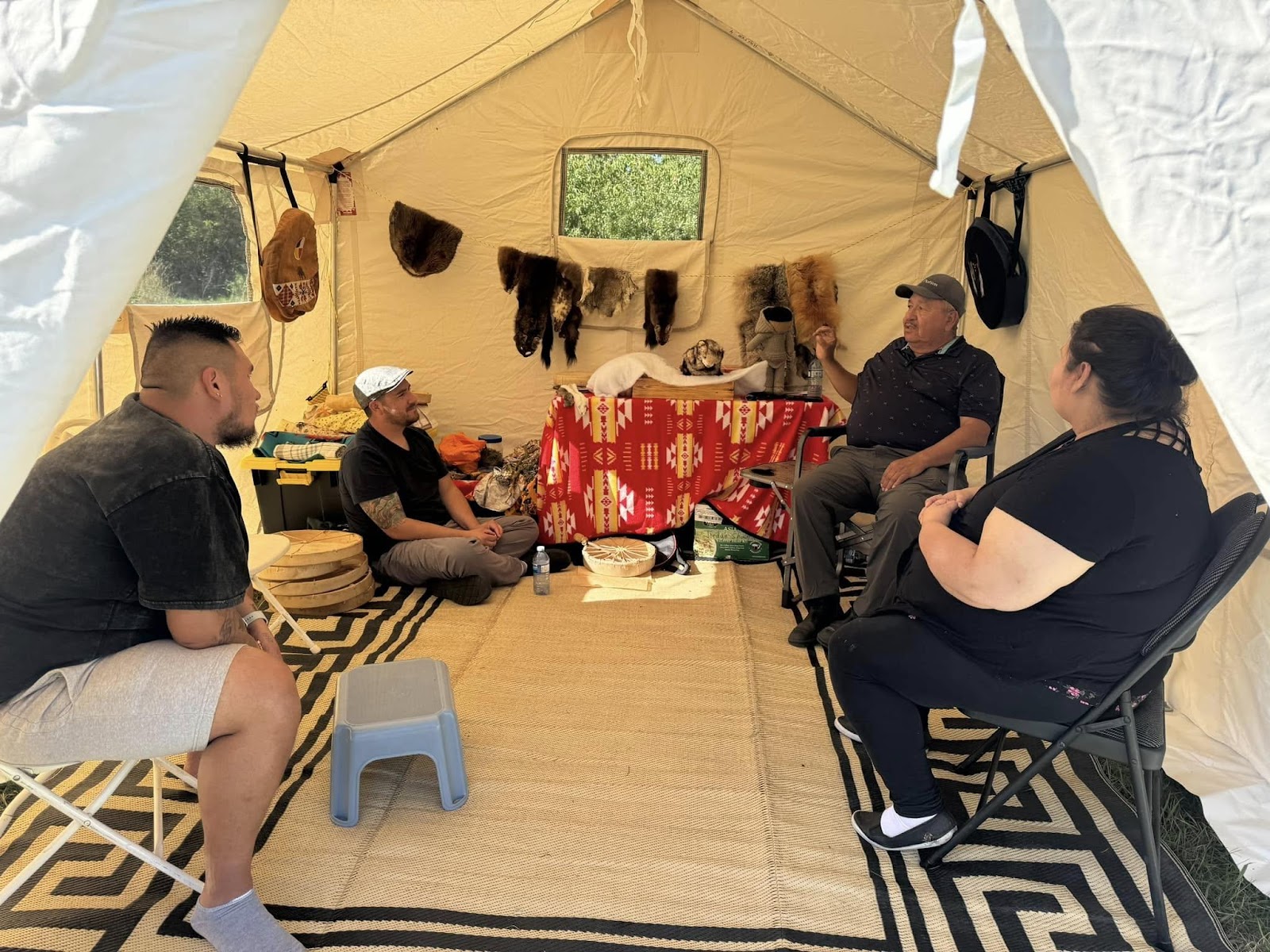
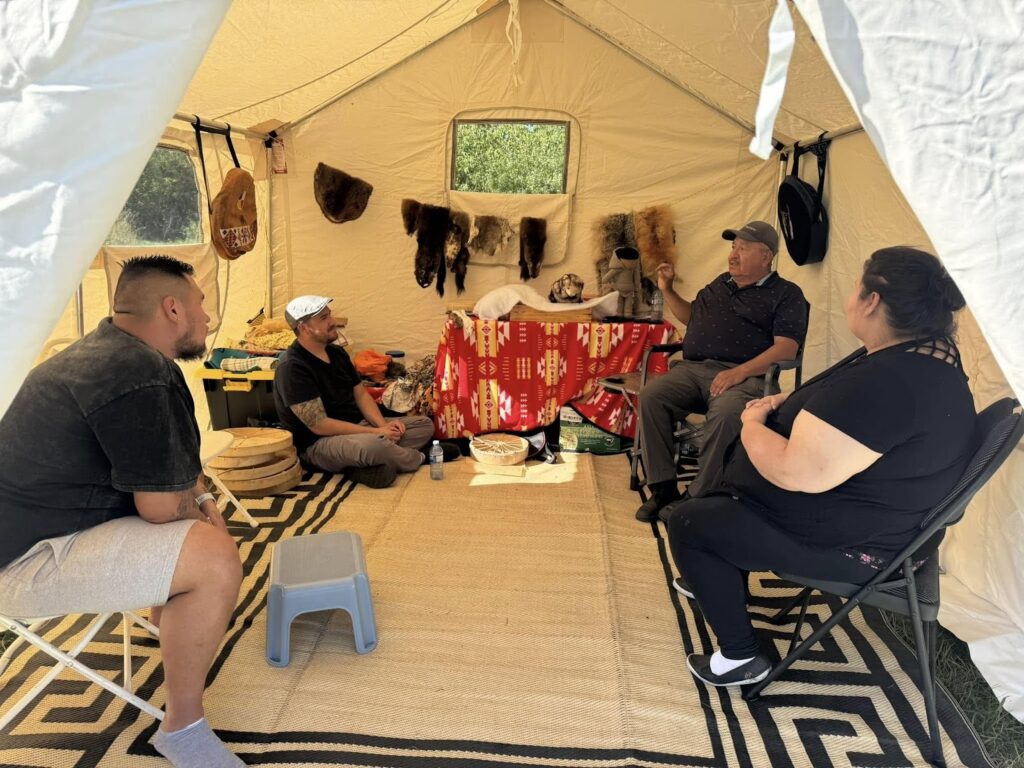
Central to this work was the development of Treaty 8 Polytechnic (T8P), a sovereign institution of higher learning grounded in Indigenous knowledge, languages, and traditional law. T8P expanded its programming to include Indigenous esthetics, life skills training, education assistant courses, and land-based cultural camps, reflecting a holistic educational model that blends ancestral teachings with practical skill-building. Efforts were also made to enhance access to post-secondary education through innovative Dual Credit Programs in collaboration with institutions like the University of Alberta and NAIT. These programs enabled high school students to earn university credits while exploring fields such as rehabilitation medicine, nursing, and culinary arts, empowering youth to pursue high-demand careers without having to leave their communities. The Treaty 8 Education team also launched a pioneering initiative in cultural preservation through technology, using Apple Vision Pro’s virtual reality capabilities to teach language, ceremony, and storytelling. By combining cutting-edge tools with community-led development and Elder guidance, Treaty 8 Education demonstrated that digital innovation can coexist with tradition to inspire intergenerational learning and cultural continuity.
In addition to academic programs, Treaty 8 made significant progress in community outreach and wraparound supports through the T8P Outreach Program, which targeted unsheltered and recently housed Indigenous individuals in Edmonton. Partnering with frontline service providers, the outreach program offered cultural teachings, sweat lodges, housing and ID assistance, life skills workshops, and access to essential health and income services. Over 200 Indigenous participants were engaged, and more than 20 social service partnerships were established. Feedback highlighted the program’s success in creating safe, healing-centered spaces for language learning, cultural reconnection, and personal development. However, challenges such as housing instability, inconsistent access to Elders, and program readiness mismatches also emerged. These insights led to strategic recommendations, including the development of distinct intake streams for participants based on their readiness, expanded cultural programming (e.g., drum-making, ribbon skirts), and investments in outreach infrastructure and staff training. At the K-12 level, Treaty 8 also moved forward with establishing its own Treaty 8 Collegiate Outreach High School, with pending accreditation, to deliver culturally relevant education in alignment with the Treaty Right to Education. Overall, the Treaty 8 education work this year reflected a bold and forward-thinking commitment to building Nation-driven systems that prepare learners of all ages to thrive while staying deeply connected to their identity, culture, and land.